

Orthotic Intervention
Whether supporting a child through developmental milestones or helping an adult regain stable mobility after an injury or neurological event, lower-limb orthoses are highly effective, non-invasive tools designed to optimise your movement. These braces range from low-profile foot stabilisers to full ankle and knee supports, tailored precisely to your unique physical needs.
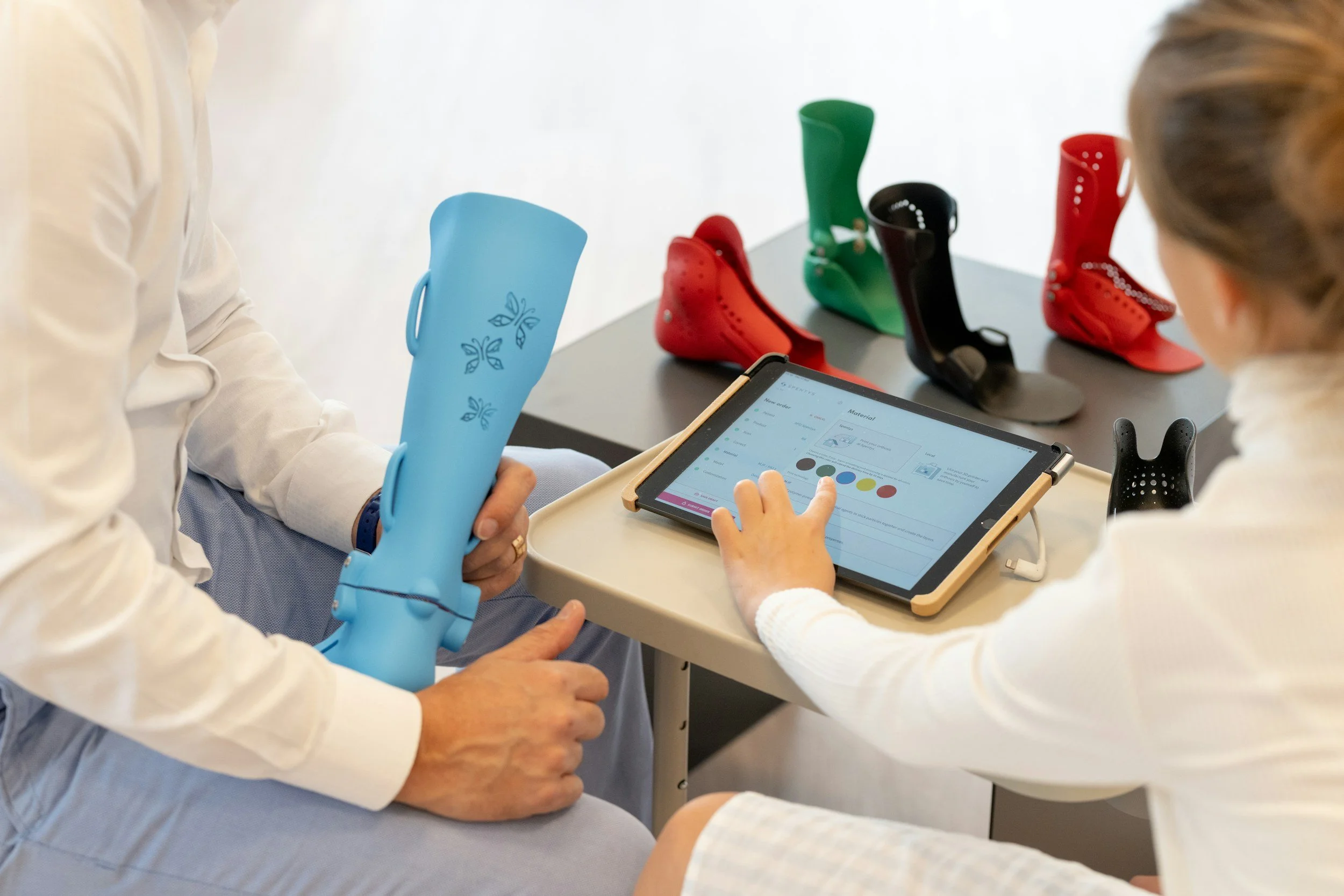
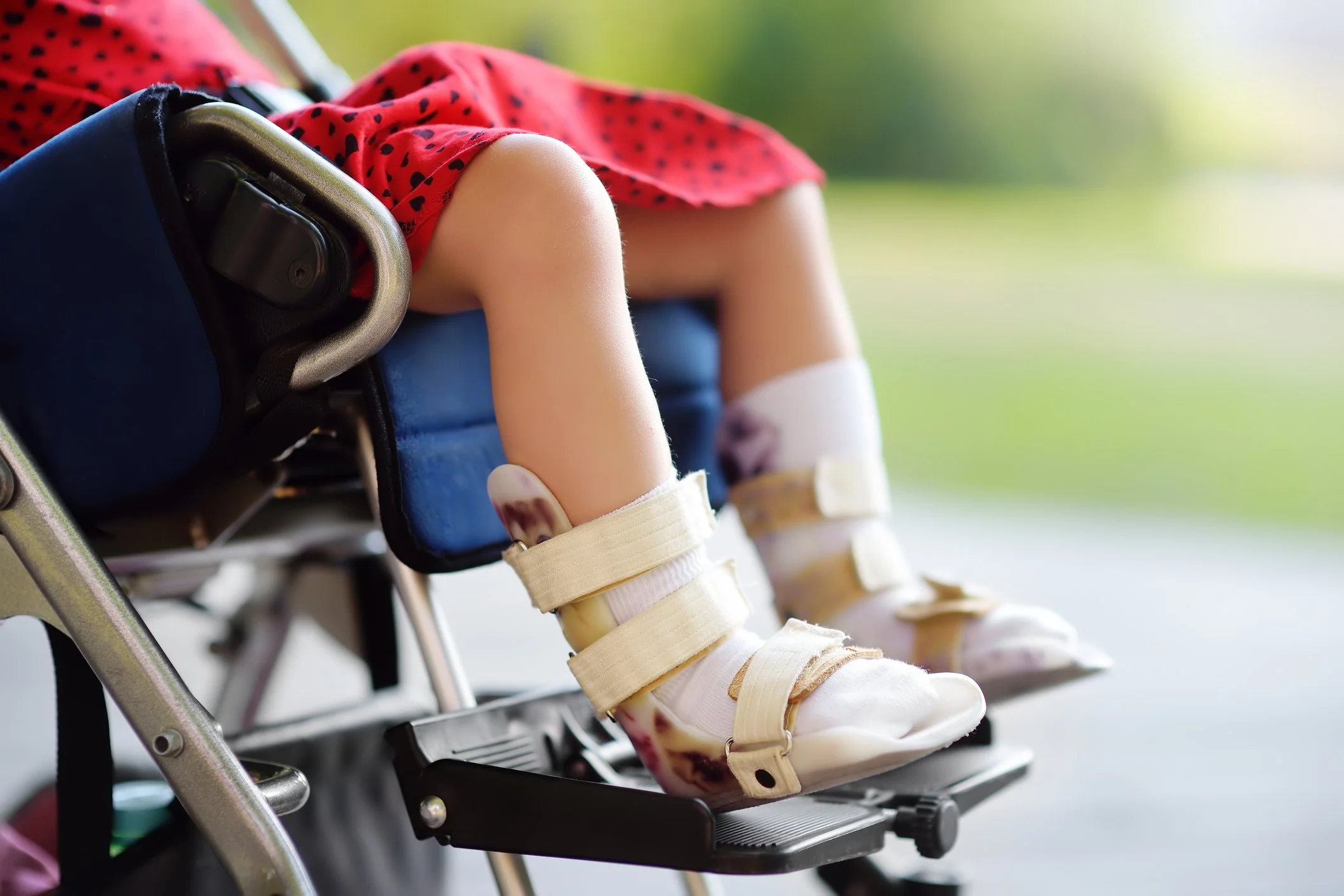
Targeted Support Levels (SMOs vs. AFOs): Orthoses are prescribed based entirely on individual structural requirements. SMOs (Supramalleolar Orthoses) are shorter braces that sit just above the ankle bone. They are perfectly suited for individuals with severe flat feet, ligament laxity, or low muscle tone who need a steady, stable foundation. For those requiring extensive control over their stride, knee alignment, or condition-related foot drop, an AFO (Ankle-Foot Orthosis) extends up the calf to provide An AFO (Ankle-Foot Orthosis) extends up the calf to deliver strong, comprehensive support to help prevent tripping and control knee movement.
Enhancing Efficient Movement: A common concern is that wearing an orthosis will weaken muscles or make them reliant on the support. However, clinical research shows the opposite: orthoses stabilise unstable joints and position muscles optimally, significantly enhancing walking efficiency. This not only reduces muscle fatigue but also shields joints from wear and tear, enabling you to walk farther and with less pain. Embracing this support can be a crucial step towards improved mobility and comfort.
A Custom Fit: Modern orthoses are lightweight, streamlined, and low-profile. Using advanced thermoplastics, carbon fibre, and custom 3D scanning, each brace is tailored exactly to the unique contours of your leg and foot. They are engineered to distribute pressure evenly and protect the skin, so they fit comfortably inside everyday footwear, allowing you to seamlessly return to work, school, or daily activities.
When a neurological or neuromuscular condition causes persistent muscle tightness, custom Ankle-Foot Orthoses (AFOs) are highly effective tools for maintaining proper limb positioning and preserving joint range of motion: By maintaining the foot and ankle in an optimal, elongated alignment during rest or walking, AFOs provide a continuous, gentle stretch that prevents muscles and tendons from permanently shortening, significantly reducing the long-term risk of painful joint contractures and the need for future surgery.
Common Conditions We Treat
Custom lower limb bracing provides vital stability, alignment, and pain relief for a wide range of developmental, neurological, and structural conditions across all age groups.
Children & Developmental Conditions
Hypotonia (Low Muscle Tone): Provides the necessary ankle stability for children with flexible or "floppy" joints, helping them stand securely and hit walking milestones.
Idiopathic Toe Walking: Uses specialised stretching or rigid control to gently discourage walking on the toes and promote a safe, heel-to-toe stride.
Cerebral Palsy (CP): Manages muscle spasticity, prevents joint contractures, and provides a stable foundation to improve walking efficiency.
Developmental Delay: Offers external structural support to help children build balance, coordination, and confidence as they learn to navigate their environment.
Paediatric Flat Foot (Pes Planus): Corrects severe, painful rolling inward of the ankles to protect developing bones and reduce leg fatigue.
Adult & Neurological Conditions
Foot Drop: Supports the foot during the swing phase of walking to prevent the toes from catching on the ground, drastically reducing the risk of trips and falls.
Stroke Recovery & TBI: Restores stability and symmetry to your gait following a stroke or traumatic brain injury, assisting with both weak and spastic muscles.
Multiple Sclerosis (MS): Compensates for muscle weakness and fatigue, helping you maintain a safer, more stable walking pattern for longer distances.
Charcot-Marie-Tooth (CMT): Provides structural reinforcement for chronic nerve and muscle weakness in the lower legs and feet, preventing foot drop and ankle roll.